
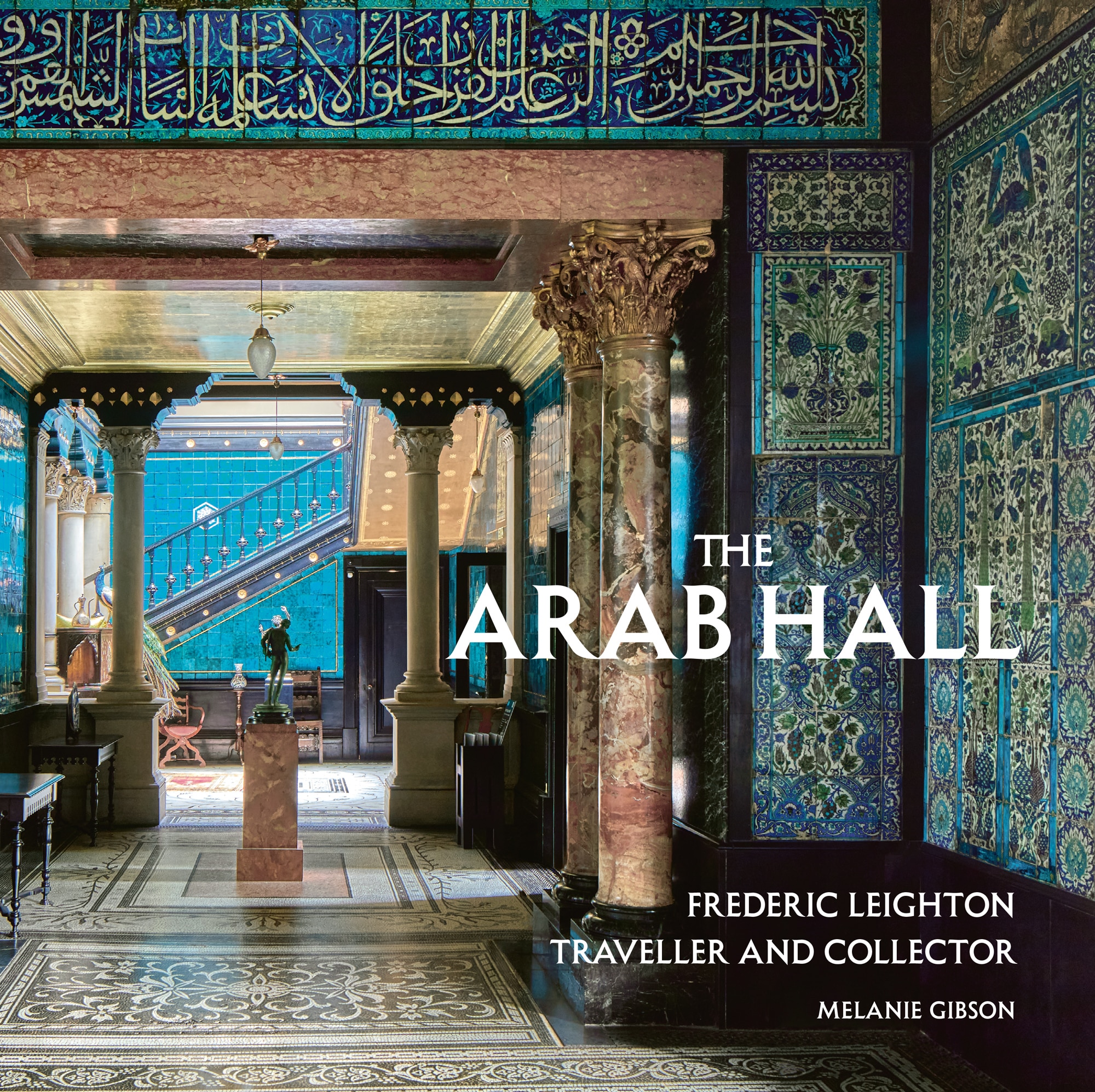
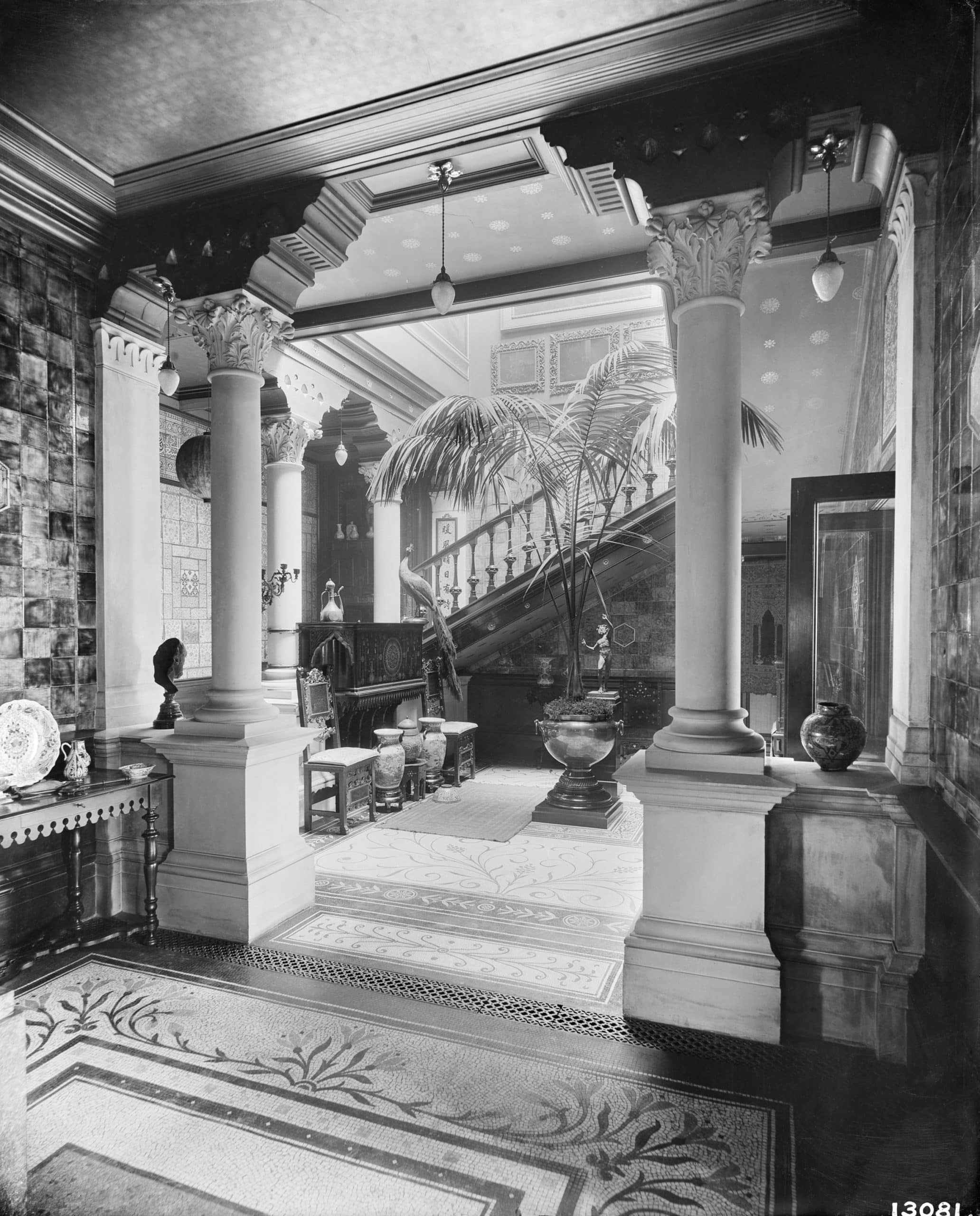
The first ever account of the making of the Arab Hall at Leighton House, by reputation, the ‘most beautiful room in London’.
‘I am cutting down all less important expenses and applying myself all the more energetically into my rash and wild project of the Arab hall…’
Frederic Leighton, letter to Val Prinsep, 29 August 1877
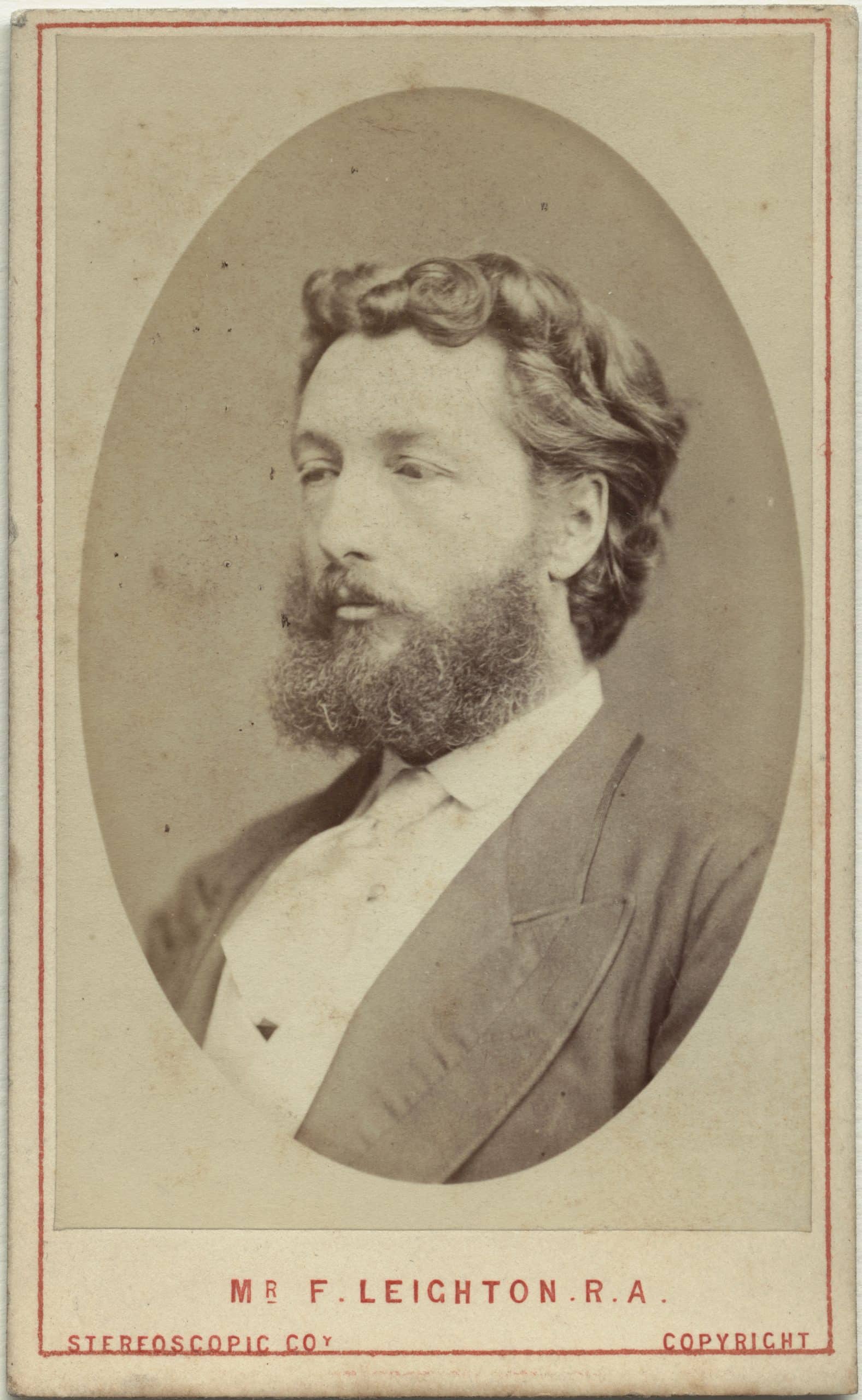
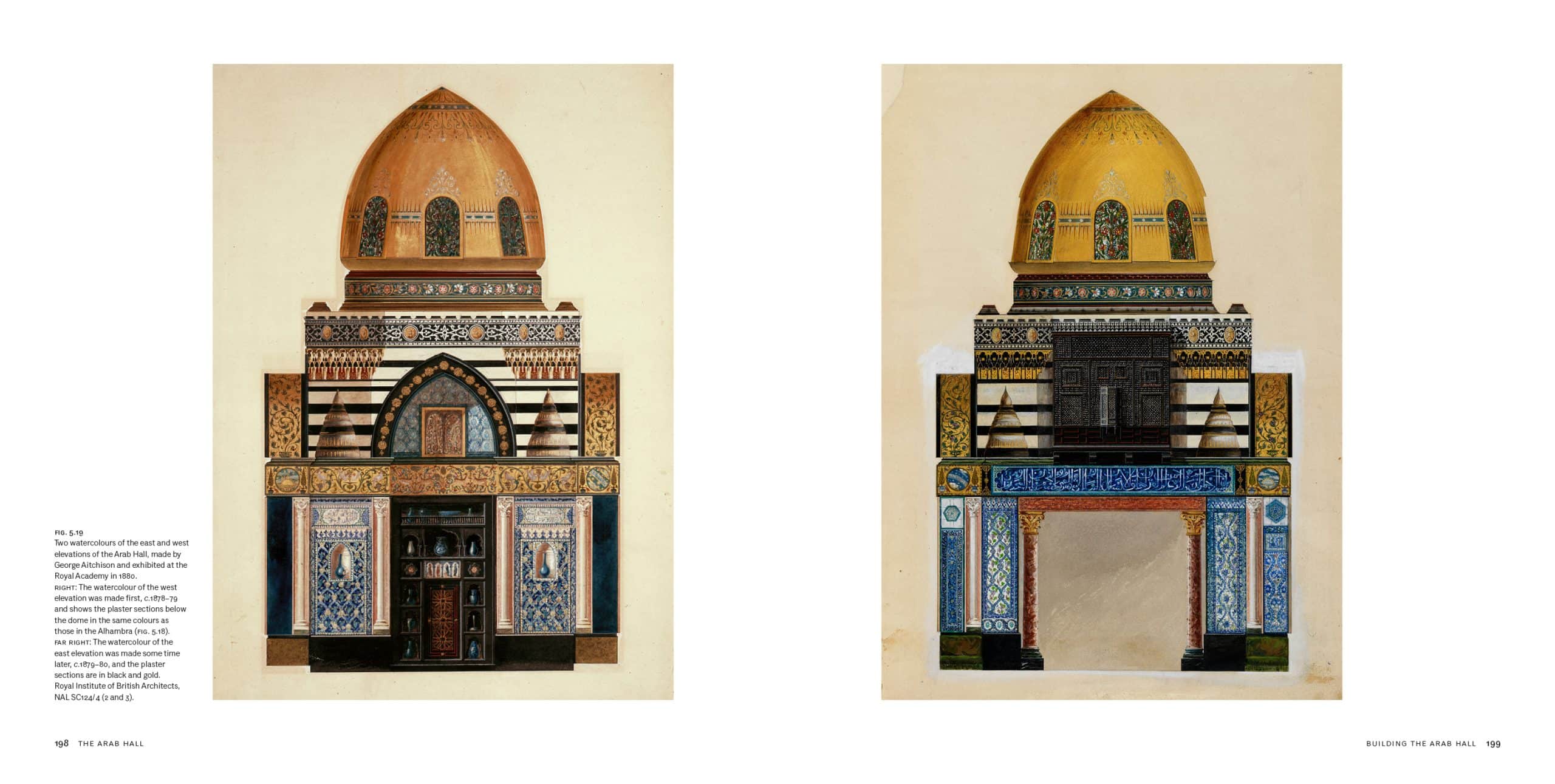
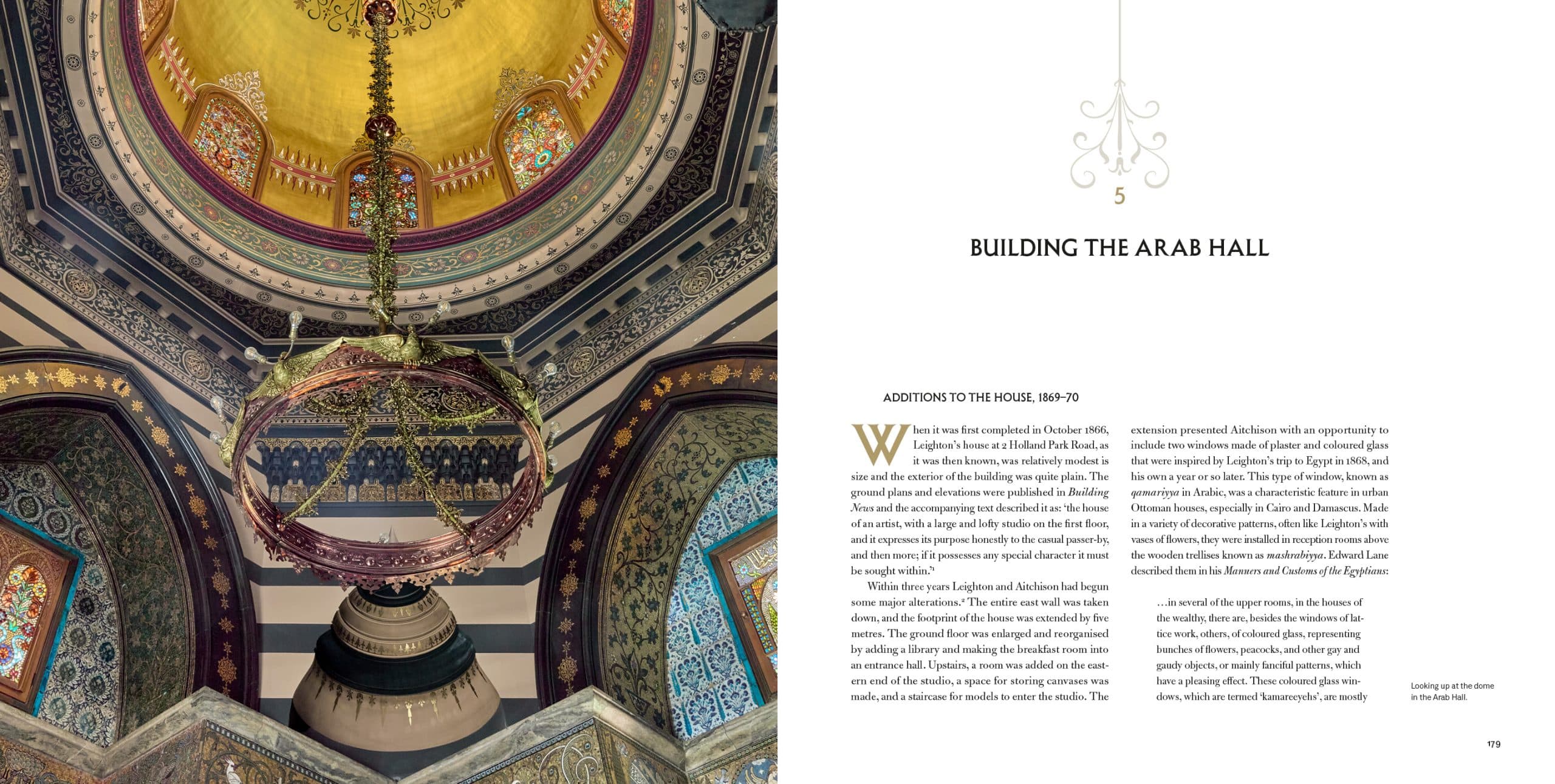
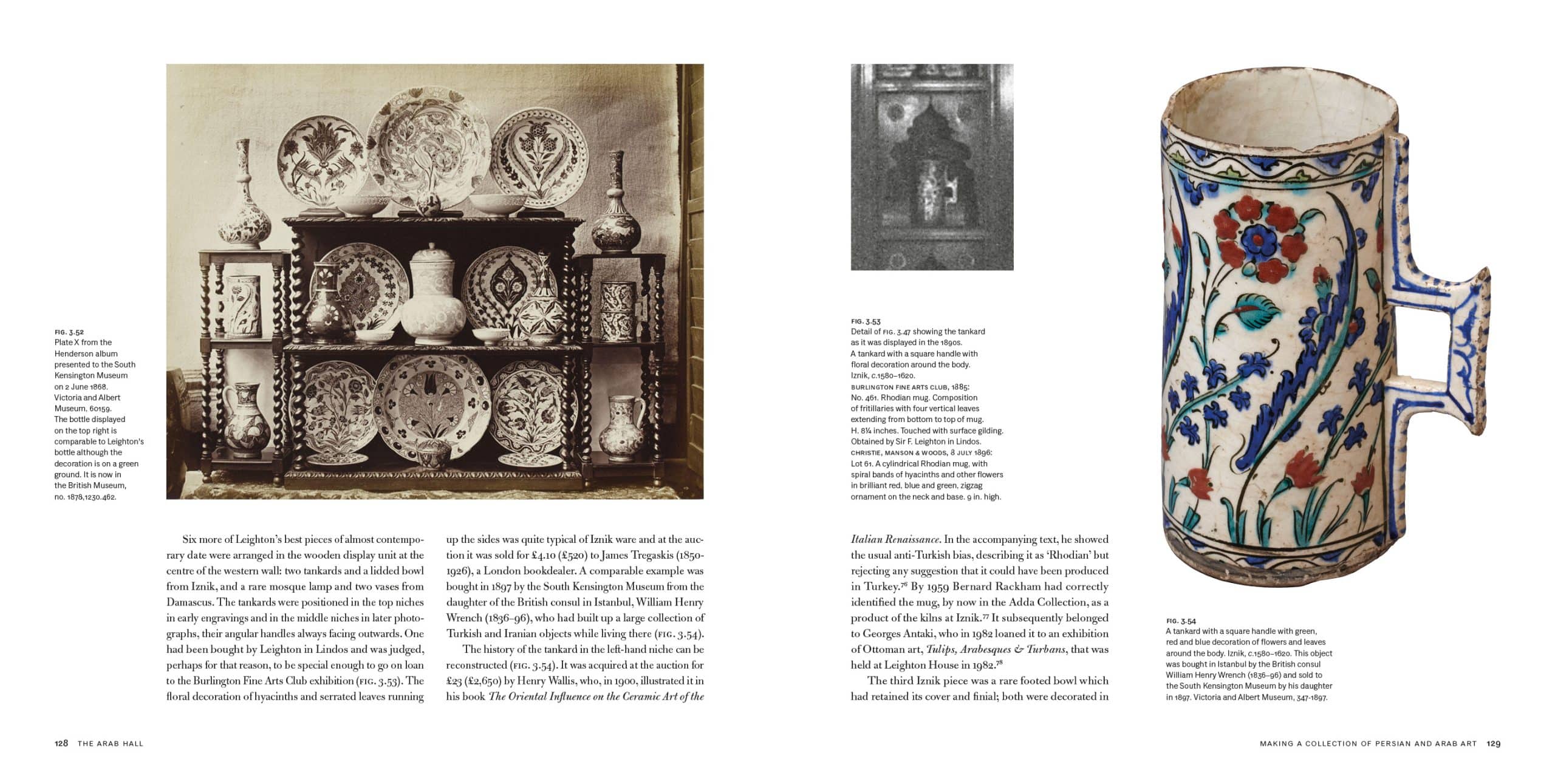
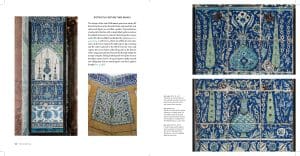
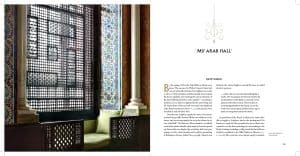
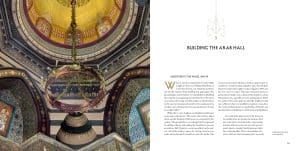
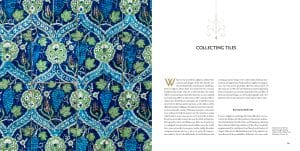
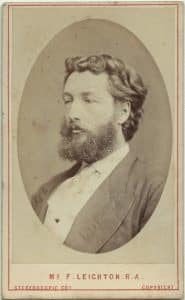
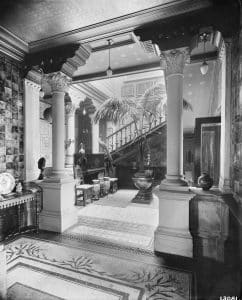
Frederic Leighton (1830-96) was celebrated as one of the most successful and influential artists of his day, and as the creator of some of the most iconic and well-loved paintings of the Victorian era, including Flaming June and Perseus and Andromeda. The house he built in Holland Park was his home, his studio, and his passion. He lavished money and attention on it throughout his life, but its centrepiece was the ‘Arab Hall’ – the extraordinary suite of spaces on the ground floor of the house that Leighton decorated with a spectacular collection of tiles and ceramics brought back from his travels across the Middle East.
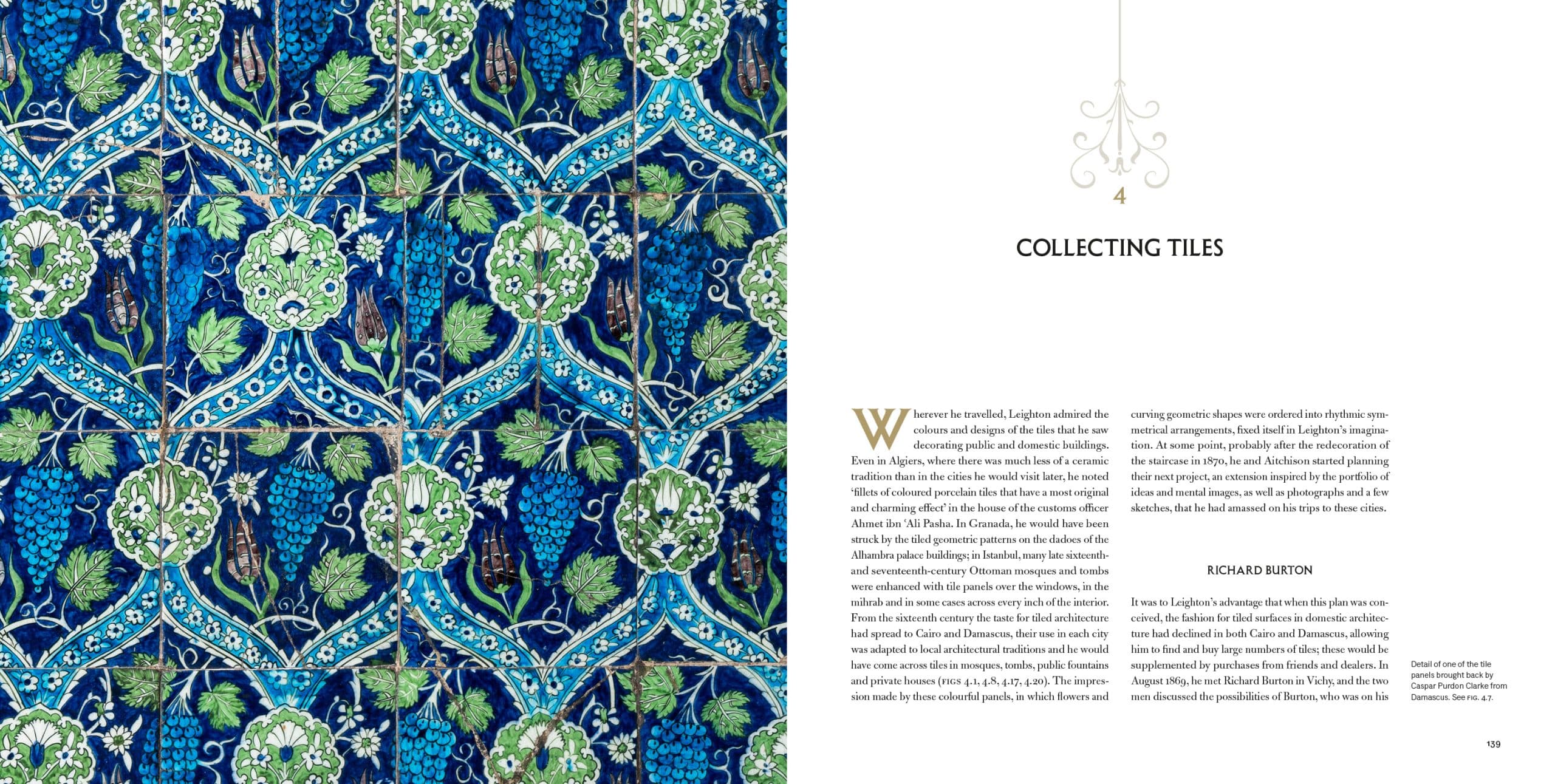
Many books have been written on Frederic Leighton, but this is the first to explore his activities as traveller and collector; uncovering the story of how he travelled, where he stayed and how he acquired the artworks that went into the making of what has been called ‘the most beautiful room in London’. This lavishly decorated space, with its golden dome and tiles from Damascus and Iznik, was hailed as an extraordinary creative and artistic triumph from the moment of its first public unveiling in 1881, with one visitor described it as ‘quite the eighth wonder of the world’. It continues to astonish, delight and inspire today.
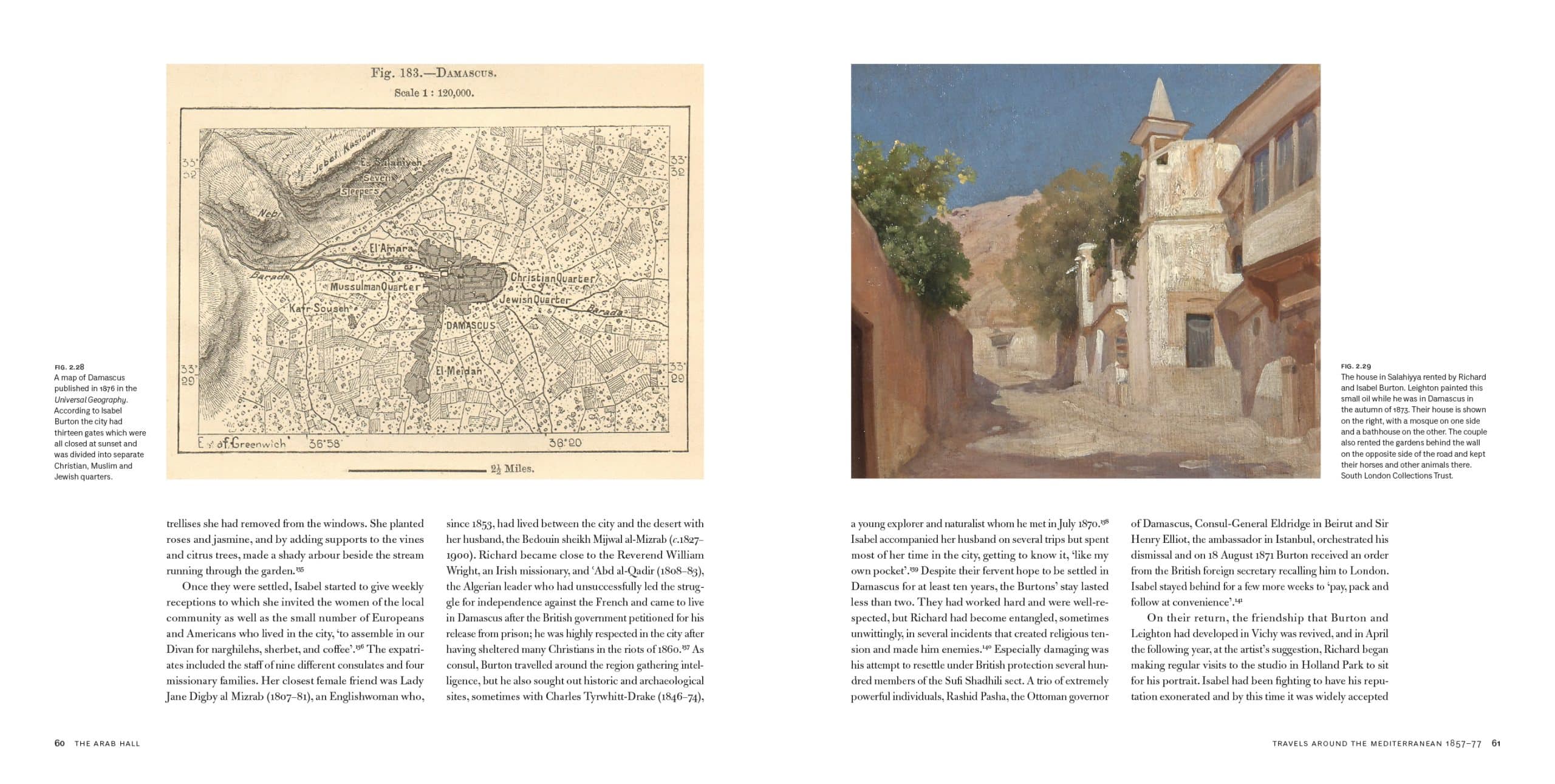
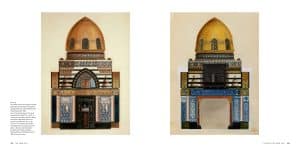
The Arab Hall details the history of these rooms, and the role played in their creation by such figures as Leighton’s architect George Aitchison; the ceramicist William De Morgan and the designer Walter Crane; by Owen Jones, interior designer for the Great Exhibition of 1851; by Arthur Liberty, founder of the store that still bears his name, and by such fascinating ‘extras’ as the explorer and writer Richard Burton and his wife Isabel, and the garden designer Gertrude Jekyll, one of whose earliest commissions was to make cushions for a seat from which Leighton could admire his tiled walls.
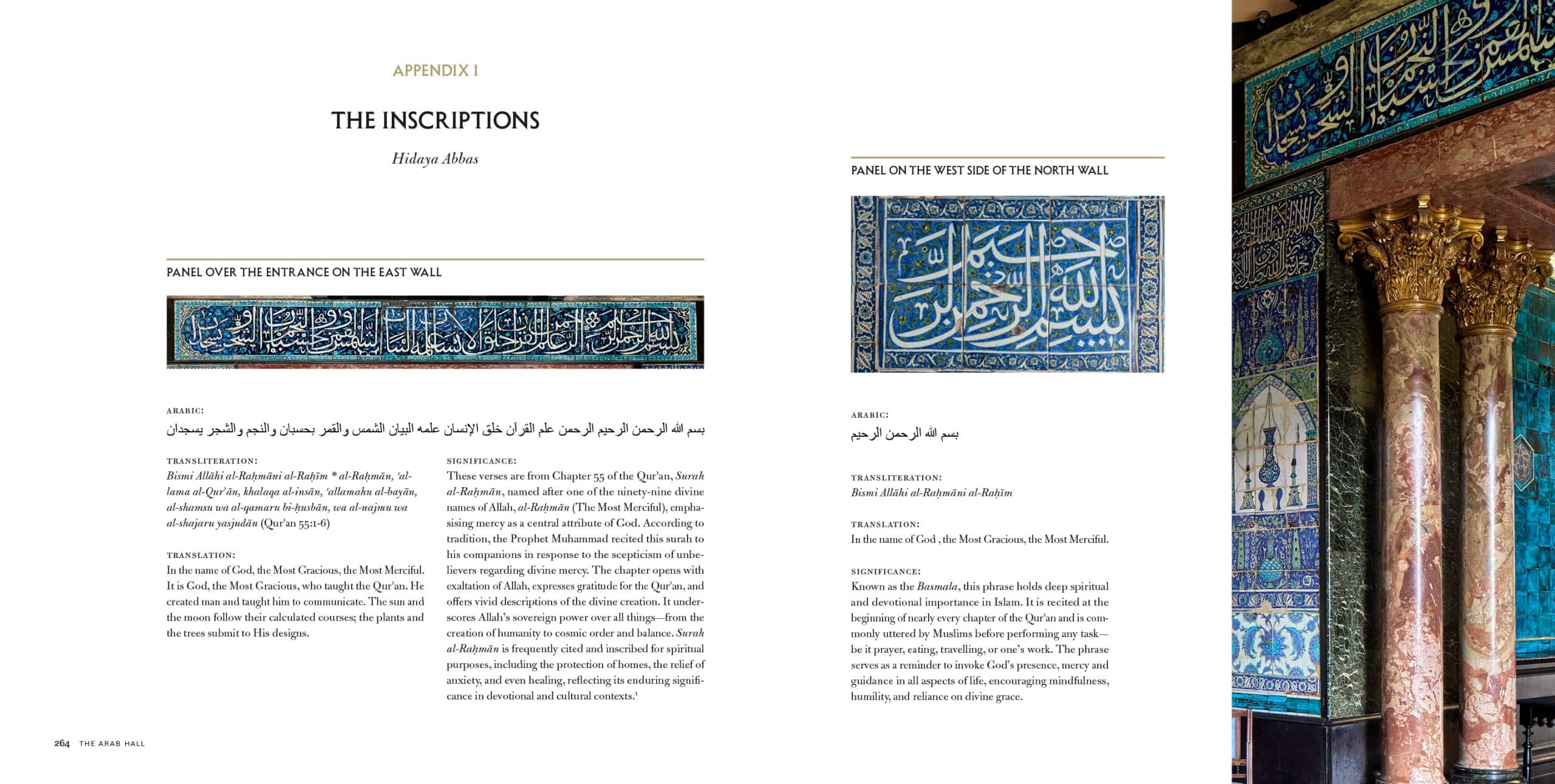
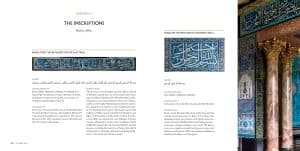
This volume also includes a complete translation of the inscriptions in the Arab Hall by Hidaya Abbas, and selections from Leighton’s correspondence with Val Prinsep.
Melanie Gibson, BA (Oxon) MA, PhD (SOAS, London University) is a well-known authority on Middle Eastern ceramics, writing and lecturing on them worldwide. A Council Member of the Oriental Ceramic Society, she is also a Trustee of the Al-Tajir Trust, and a Trustee of the Friends of Leighton House, where she first became fascinated by the history behind the creation of the Arab Hall.
Daniel Robbins is director of the Leighton House Museum.
| Weight | 2 kg |
|---|
FOREWORD Daniel Robbins 6
ACKNOWLEDGEMENTS Melanie Gibson 7
1. BUILDING A HOUSE IN KENSINGTON 9
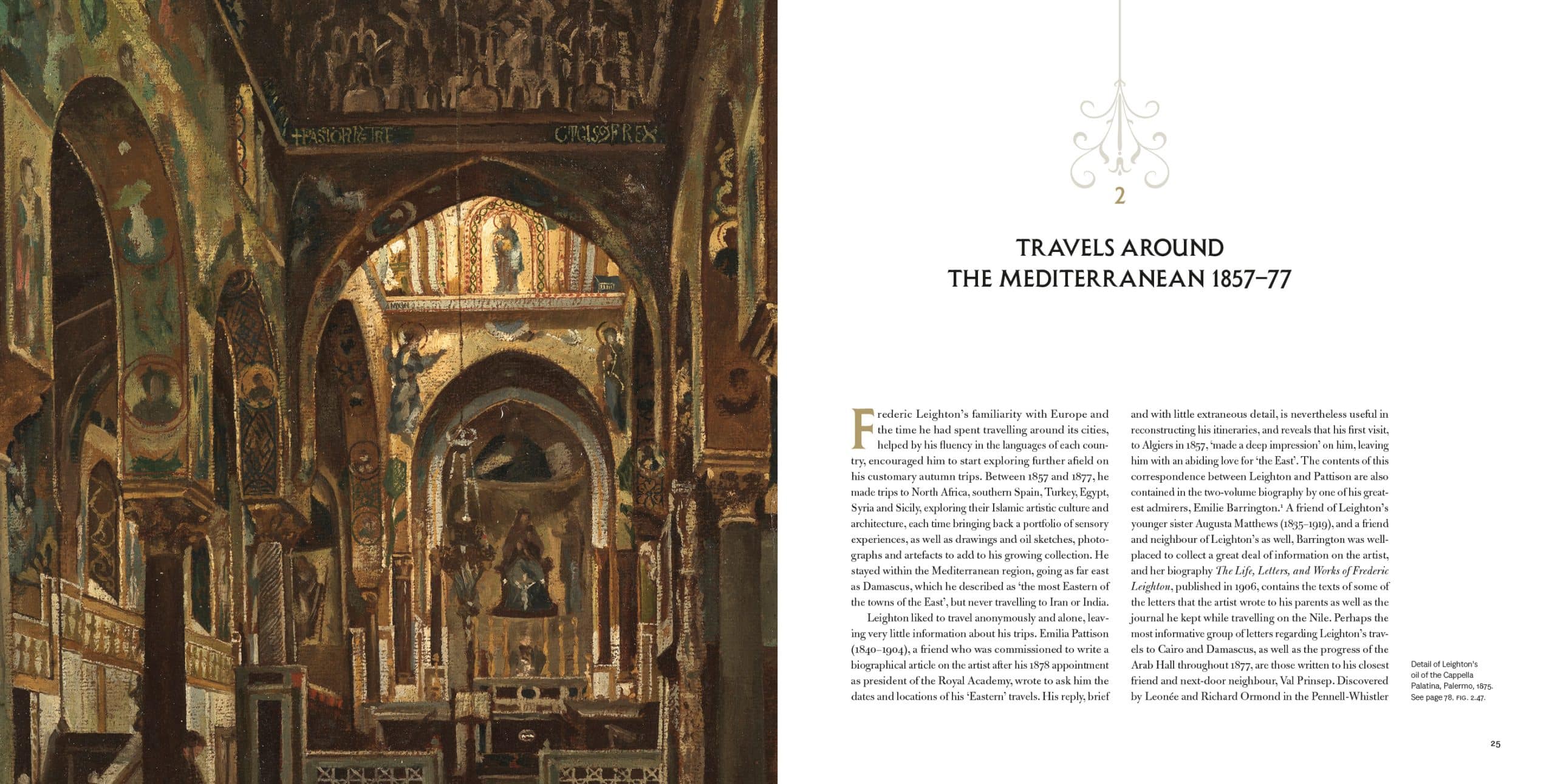
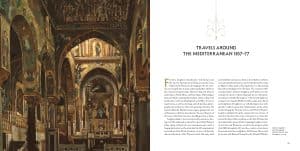
2. TRAVELS AROUND THE MEDITERRANEAN 1857–77 25
I: Algeria, Spain, Turkey and Egypt 1857–68 26
II. Syria, Sicily and Spain 1873–77 58
3. MAKING A COLLECTION OF PERSIAN AND ARAB ART 87
4. COLLECTING TILES 139
5. BUILDING THE ARAB HALL 179
6. ‘MY ARAB HALL’ 243
a note about money and place names 262
APPENDIX I:
THE INSCRIPTIONS Hidaya Abbas 264
APPENDIX II:
LETTERS FROM FREDERIC LEIGHTON TO VAL PRINSEP 274
Notes 284
Bibliography 292
Selective Timeline 300
Image Credits 304
Index 305
FOREWORD
Daniel Robbins
Director of Leighton House Museum
From the moment of its completion in the early 1880s, the Arab Hall set Frederic Leighton’s studiohouse apart. Nothing within a domestic setting in London, or indeed anywhere in the UK, seemed so convincingly to conjure a sense of ‘the East’ for contemporary audiences. In the years that followed, its fame grew, assuring the reputation of Leighton’s home as the apogee of the ‘house beautiful’. Then through much of the twentieth century, as appreciation of Victorian art and architecture fell away, the compelling presence of the Arab Hall could not be entirely dismissed. While the original decorative character of the rest of the house was whitewashed over following the Second World War, the Arab Hall remained, perhaps looking a little sorry for itself, but retaining an undiminished ability to surprise, intrigue and delight. Fully restored from 2008–10, the space is now central to the life and identity of the museum, extending Leighton House’s reach and relevance to diverse audiences and prompting debate and discussion around issues of cultural exchange and interaction. But throughout, the Arab Hall has remained little researched and understood. The absence of any contemporary account by Leighton himself or his architect, George Aitchison, presented a significant obstacle in establishing his motivations, sources of inspiration and the origins of the tiles that lined the walls of the space. The publication of this first full and detailed account is therefore all the more remarkable for the quantity of new information it provides. From the extent of Leighton’s extensive travels around the perimeter of the Mediterranean, to the scale and importance of his collections of Persian and Arab art and the planning and execution of the space itself, so much has been added to our understanding of a space which previously seemed both so familiar and yet elusive. Melanie has served as a valued trustee of the Friends of Leighton House for a number of years, leading to her decision to take on this book. As Leighton House marks 100 years as a public museum, its publication now could not be more appropriate or welcome and her remarkable achievement is to be celebrated.
Long overdue, this exquisite book represents a magnificent scholarly achievement of meticulous research into Frederic Leighton’s Arab Hall, a remarkably well-preserved late Victorian project of astonishing visual intensity and historic sensibility. With forensic attention to artwork and archives alike, Dr Gibson tracks Leighton’s biographical encounter as a late Victorian visitor to the Middle East and North Africa against perhaps his most famous creative endeavour, and skillfully unpacks the contextual histories of nineteenth-century provenance, art market and design narr atives along the way.
Dr Moya Carey, Curator of Islamic Collections, Chester Beatty Library, Dublin and author of Persian Art—Collecting the Arts of Iran for the V&A.
Melanie Gibson’s elegant scholarship tells the fascinating story behind the famous Arab Hall in Leighton House, revealing the hidden web of connections between Victorian England and the Middle East.
Daisy Goodwin, creator and writer of the TV series Victoria, and author of the novel of the same name.